Why is AI adoption hard?
This was imported from LinkedIn
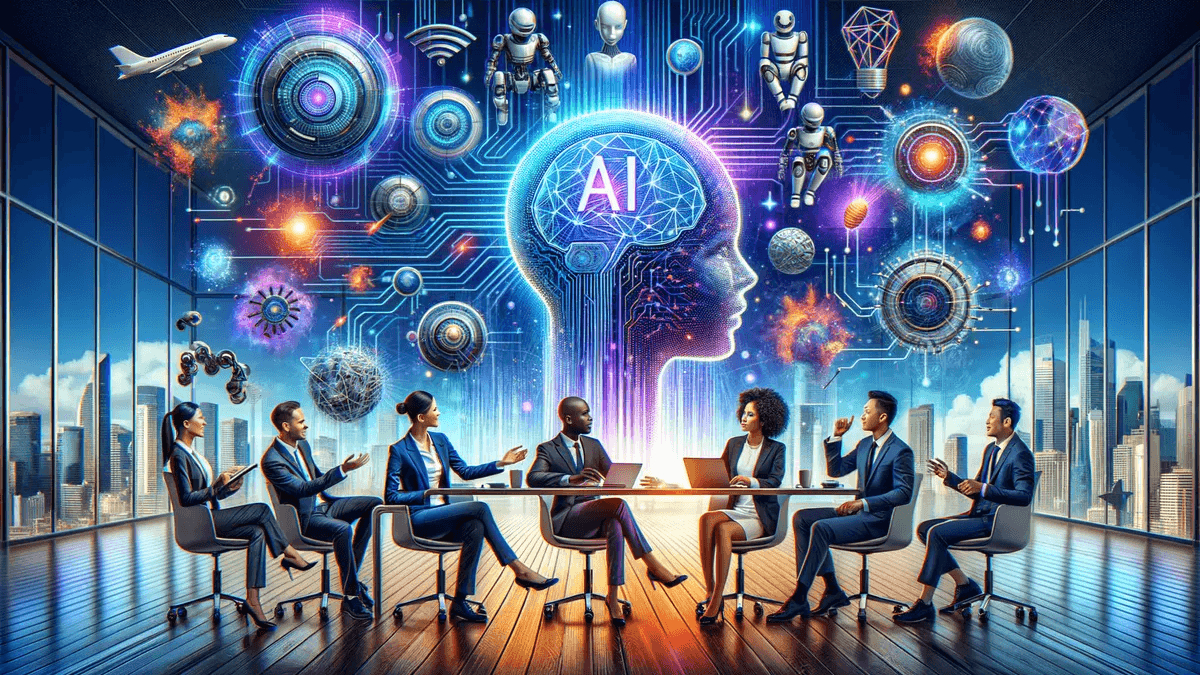
AI is a dynamic and evolving technology. Every week we hear about the amazing and sometimes scary things AI can do.
At Middle Ground, the team and I constantly speak with private and public organizations about AI integration. We often hear from the most concerned and skeptical about AI, especially since we work in a high-risk environment. This skepticism and concern are deeply interesting to me, so here are some of my thoughts.
Why is AI adoption important?
AI will have a transformative effect on the workforce and job market and without fully embracing its ability, organizations may lose out on opportunities.
In "Replace or Augment" I discuss, in depth, how AI will be impactful from an economic and organizational perspective.
1. Organizational Resistance and Cultural Barriers
One of the biggest hurdles in AI adoption is resistance from employees and leadership alike. Employees often fear job displacement or struggle with steep learning curves associated with new AI-driven workflows. Leaders in risk-averse environments may hesitate to move away from legacy systems, viewing AI as disruptive or costly to their traditional workflows.
How to Overcome It:
- Build an AI-ready culture by fostering innovation and encouraging employees to view AI as a tool that enhances their work rather than replacing it.
- Engage leadership to champion AI initiatives and communicate their long-term benefits clearly.
2. Lack of Strategic Vision
Many organizations adopt AI without a clear roadmap, leading to disjointed efforts that fail to deliver meaningful results. Without aligning AI initiatives with business objectives, companies risk wasting resources on projects that don't meet their needs.
How to Overcome It:
- Develop a strategic vision for AI by identifying high-impact use cases through cross-functional collaboration.
- Use tools like process mining to objectively analyze workflows and determine where AI can drive the most value.
3. Data Quality and Integration Challenges
AI systems are only as effective as the data they rely on. Many organizations struggle with poor data quality, siloed data sources, and integrating AI into legacy IT systems. These technical barriers slow down implementation and reduce the accuracy of AI models.
How to Overcome It:
- Invest in robust data management practices, including cleaning and structuring datasets.
- Use middleware or custom APIs to integrate AI with existing systems rather than overhauling legacy infrastructure entirely.
4. Workforce Skill Gaps
AI adoption requires specialized skills in data science, machine learning, and change management. However, many organizations face a shortage of talent capable of designing, implementing, and managing AI solutions.
How to Overcome It:
- Provide continuous learning opportunities for employees through workshops, training programs, and certifications.
- Pair technical training with change management education to ensure employees can adapt to new workflows effectively.
5. Change Management Challenges
AI adoption is not just a technological shift - it's a cultural transformation. Many organizations underestimate the importance of change management in ensuring smooth transitions. Poor communication, lack of stakeholder buy-in, and insufficient training can derail even the most promising AI initiatives.
How to Overcome It:
- Apply structured frameworks like the ProSci ADKAR Model, which emphasizes building awareness, desire, knowledge, ability, and reinforcement throughout the adoption process.
- Use predictive analytics and real-time sentiment analysis tools to tailor change interventions for stakeholders.
6. Measuring ROI and Managing Expectations
Organizations often struggle to measure the return on investment (ROI) from AI projects due to unclear metrics or unrealistic expectations. This uncertainty leads many businesses to scale back their investments prematurely.
How to Overcome It:
- Focus on measurable productivity gains (e.g., time savings or task automation) rather than immediate cost reductions.
- Set clear KPIs aligned with business goals to track progress and demonstrate value over time.
Conclusion
Successful AI adoption requires addressing interconnected challenges across culture, strategy, infrastructure, and workforce development. By fostering an AI-ready environment with clear objectives, quality data, adequate skills, and effective change management, organizations can overcome common barriers to implementation.
At Middle Ground, we've seen that the most effective AI systems balance technological innovation with human-centered approaches. Organizations that proactively address these challenges won't just survive disruption - they'll thrive in an AI-powered future, gaining competitive advantages and creating new opportunities for growth.
Sources
- AI Adoption in 2024: 74% of Companies Struggle to Achieve and Scale Value - BCG
- AI-Driven Change Management: Organizational Growth Strategies - Voltage Control
- AI Adoption: Statistics, Benefits, and Challenges for 2025 - Cledara
- The Role of Change Management When Implementing AI - Salesforce
- 9 Common Challenges to AI Adoption and How to Avoid Them - Naviant
- AI in Change Management: Early Findings - Prosci
- Challenges of AI Adoption: 5 Reasons for AI Resistance - Fairmarkit
- AI Change Management - Prosci